
Understanding How Devices Communicate on a Network
Networking is the backbone of the digital world. From browsing the internet to sending emails, streaming videos, or accessing online platforms — everything relies on networks working correctly.
At TechnoSolidaire, networking fundamentals are a core part of our IT technician training, because understanding how networks work is essential for any digital or technical career.
What Is Computer Networking?
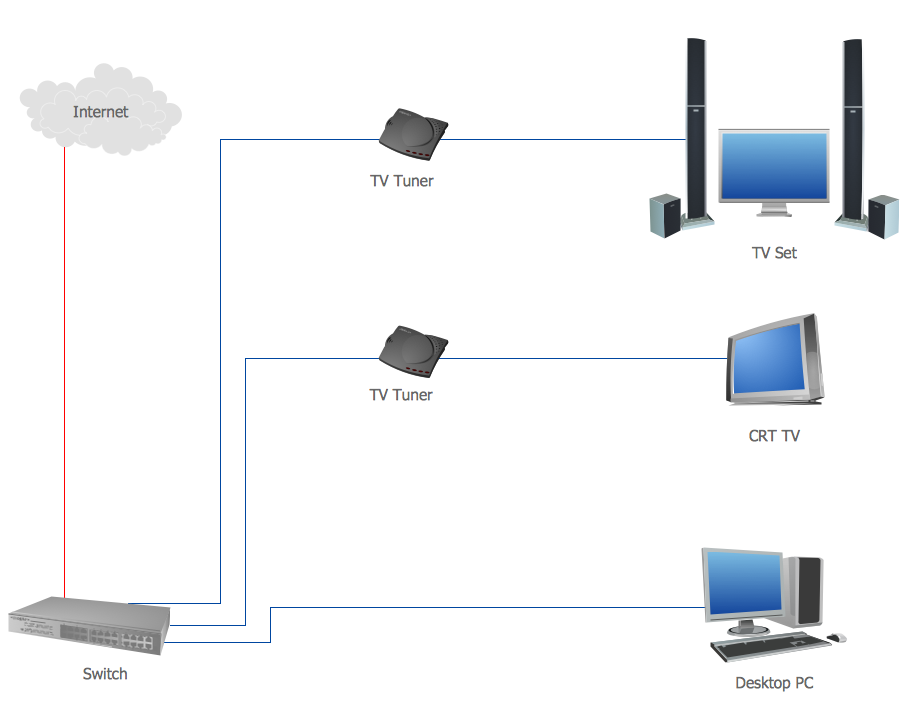
Computer networking is the practice of connecting devices (computers, phones, servers, printers) so they can communicate and share data.
A network allows:
- Information to move from one device to another
- Access to the internet
- Sharing of resources (files, printers, systems)
To understand networking, every learner must first master four key concepts:
- IP Addressing
- DNS
- Routing
- Switching
IP Address: The Identity of a Device
An IP address (Internet Protocol address) is a unique number assigned to each device on a network.
It allows devices to identify and locate each other.
Think of an IP address like a home address:
- It tells data where to go
- Without it, communication is impossible
Key points learners discover:
- IPv4 vs IPv6
- Public vs Private IP addresses
- Static vs Dynamic IP addresses
- Why IP addresses are essential for internet access
Every network technician must understand IP addressing to troubleshoot connectivity issues.


DNS: Translating Names into Numbers
DNS (Domain Name System) acts like the phonebook of the internet.
Humans use names like:
- google.com
- technosolidaire.org
Computers use IP addresses like:
- 142.250.190.14
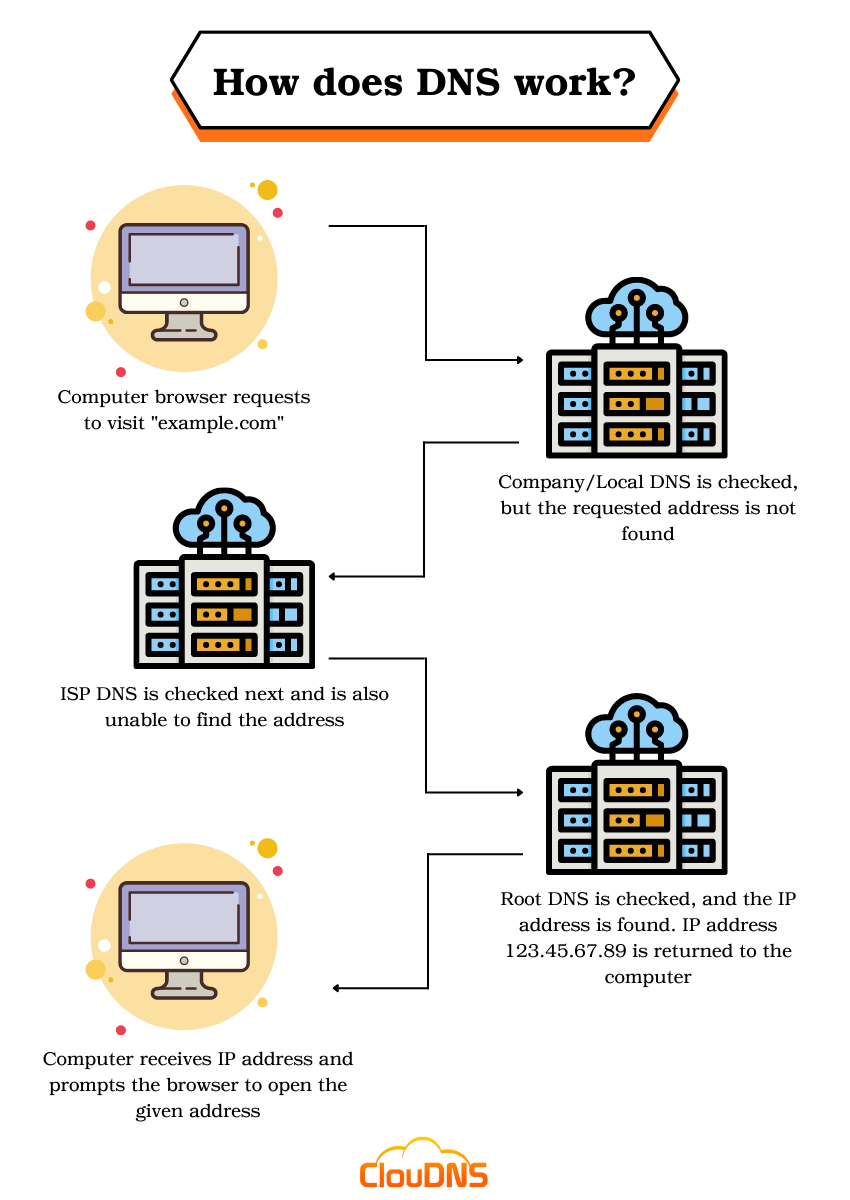
DNS translates domain names into IP addresses, making the internet easy to use.
Learners understand:
- How DNS works step by step
- What happens when you type a website address
- Why DNS failures break internet access
- The role of DNS servers
Without DNS, users would need to memorize numbers instead of names.

Routing: Finding the Best Path
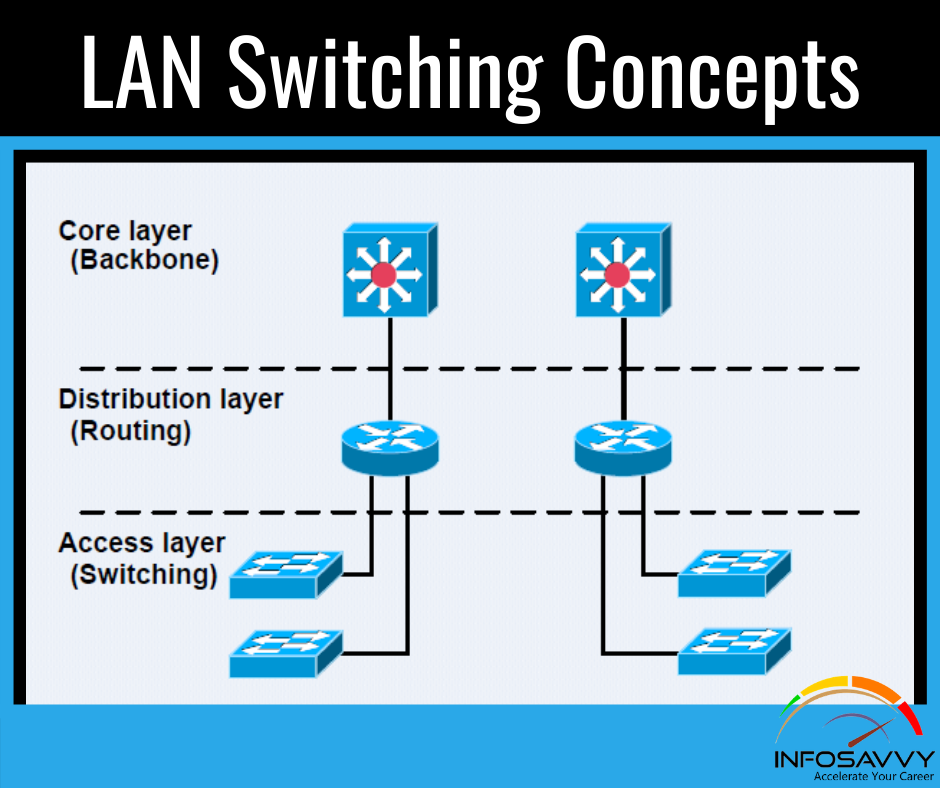
Routing is the process of deciding how data travels from one network to another.
Routers:
- Connect different networks
- Choose the best path for data
- Ensure information reaches the correct destination
What learners study:
- What routers do
- How data moves across the internet
- Basic routing concepts
- Why routing is critical for large networks
Every time data travels between countries or cities, routers guide it along the way.


Switching: Communication Inside the Network
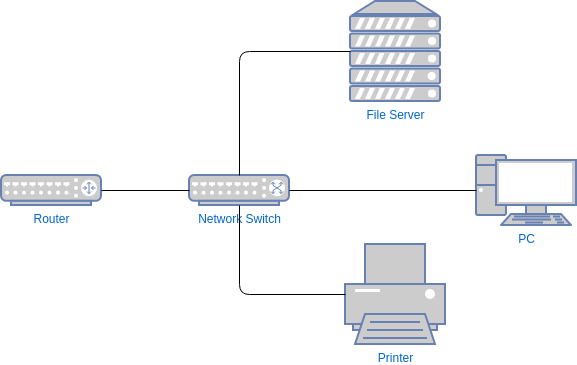
Switching happens inside a local network (LAN).
Switches:
- Connect devices within the same network
- Send data only to the correct device
- Improve network efficiency and speed
Learners understand:
- Difference between switches and hubs
- How switches use MAC addresses
- Why switching reduces network congestion
Switches are essential in offices, schools, training centers, and data centers.

Why Networking Skills Matter in Africa
As Africa continues its digital transformation, reliable networks are essential for:
- Schools and universities
- Hospitals and health systems
- Government digital services
- Businesses and startups
Training young people in networking fundamentals helps build:
- Local technical expertise
- Employment opportunities
- Strong digital infrastructure
Networking skills empower communities to build, maintain, and secure their own digital systems.
Our Approach at TechnoSolidaire
At TechnoSolidaire, we teach networking through:
- Practical hands-on labs
- Real-world examples
- Step-by-step learning for beginners
- Preparation for IT technician certification
Learners don’t just memorize concepts — they understand how networks actually work.
Take the Next Step
Networking fundamentals open the door to careers in:
- IT support
- Network administration
- Cybersecurity
- Systems engineering
Learn the fundamentals. Build strong networks. Power the digital future.
Apply for Training
Join Our IT Technician Program