
Building the Foundation for a Digital Future
In today’s world, digital skills are no longer optional — they are essential.
Whether for education, employment, or entrepreneurship, understanding computer and internet fundamentals is the first step toward participating fully in the digital economy.
At TechnoSolidaire, we believe strong foundations lead to strong futures. That’s why digital basics are at the core of our training programs.

What Are Digital Basics?
Digital basics refer to the essential knowledge and skills required to use a computer and the internet effectively and safely. These skills empower learners to navigate technology with confidence and independence.
Digital basics include:
- Understanding computer hardware and software
- Knowing how operating systems work
- Using the internet for learning, communication, and work
- Practicing safe and responsible digital behavior
These skills form the entry point to all other digital careers.
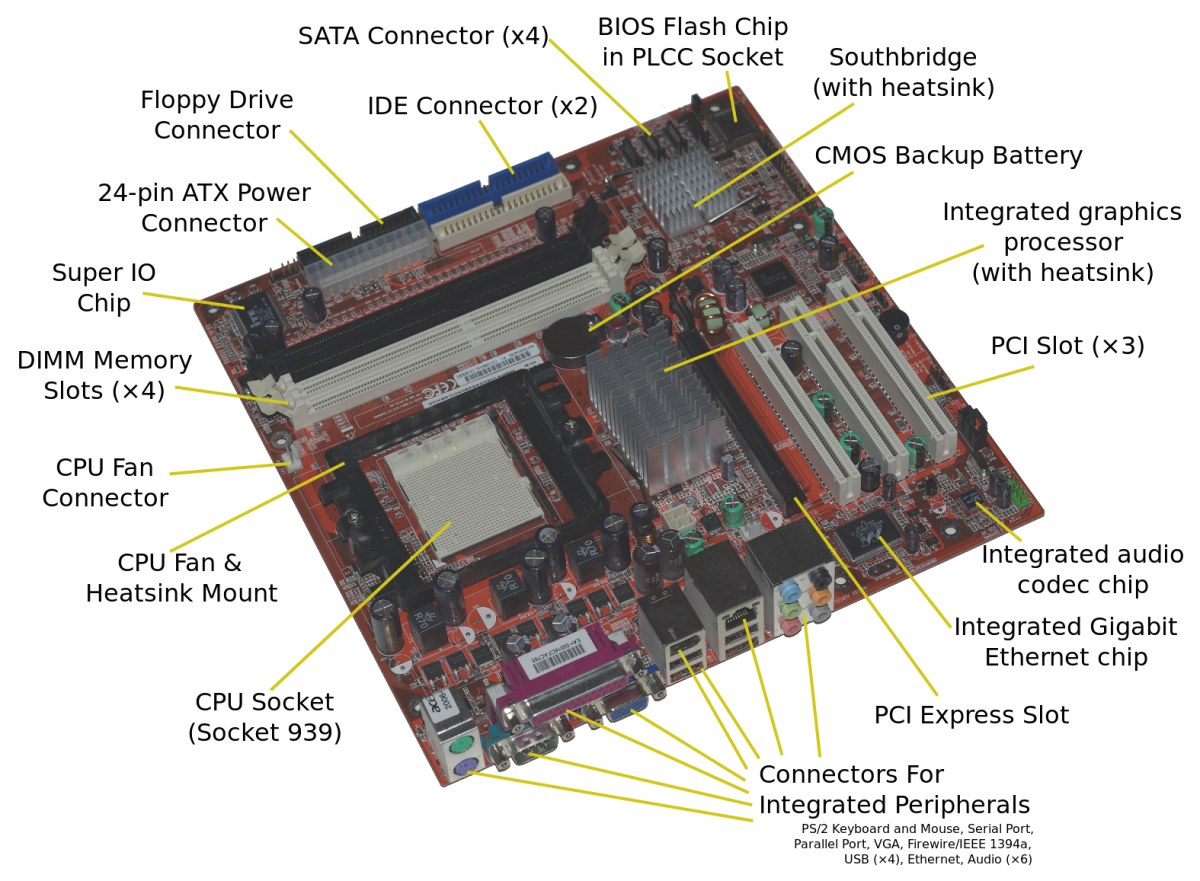
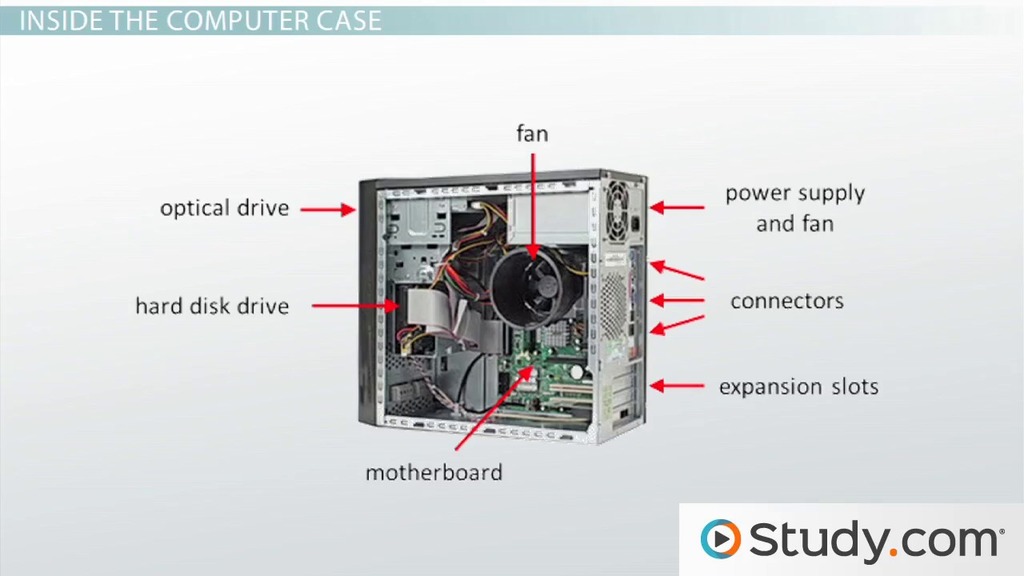
Understanding the Computer
A computer is more than just a screen and a keyboard. Learning the basics helps users understand how technology works rather than just consuming it.
Key concepts learners discover:
- Hardware: monitor, keyboard, mouse, CPU, storage devices
- Software: operating systems, applications, files, and folders
- Basic operations: turning a computer on/off, managing files, using common programs
This knowledge builds confidence and prepares learners for more advanced technical skills.

Internet Fundamentals
The internet is one of the most powerful tools for education and opportunity — when used correctly.
Learners are trained to:
- Understand what the internet is and how it works
- Use web browsers and search engines effectively
- Create and manage email accounts
- Communicate responsibly online
- Access learning platforms and digital resources
Digital literacy enables learners to find information, connect globally, and grow professionally.

Digital Safety and Responsibility
With access to technology comes responsibility. Digital basics also include cyber awareness and online safety.
Key topics include:
- Creating strong passwords
- Identifying scams and phishing attempts
- Protecting personal information
- Respectful communication online
These lessons are critical for building trust, professionalism, and security in the digital space.
Why Digital Basics Matter in Africa
Africa has one of the youngest populations in the world, yet many young people still lack access to fundamental digital education. Without these skills, opportunities in modern education and employment remain limited.
By teaching digital basics:
- Young people gain confidence and independence
- Communities gain skilled and informed citizens
- Institutions benefit from a digitally capable workforce
Digital basics are not just technical skills — they are tools for empowerment and inclusion.
Our Approach at TechnoSolidaire
At TechnoSolidaire, we focus on:
- Practical, hands-on learning
- Step-by-step guidance for beginners
- Inclusive training for all backgrounds
- Preparing learners for further training and certification
Digital basics are the first building block toward IT certification, professional readiness, and lifelong learning.
Take the First Step Toward Your Digital Future
Every digital journey starts with a foundation.
By mastering computer and internet fundamentals, learners open the door to education, careers, and innovation.
Apply for Training
Join Our Digital Skills Program

